

Professional
Learning
Community
PLC+: Building Collaborative Teams
That Drive Student Success
A professional learning community (PLC) is a structured, collaborative approach to professional learning in which educators come together regularly as a team to discuss and reflect on the evidence they collect from students and about their teaching practices with the goal of improving student outcomes.
The evidence strongly suggests that professional learning communities can positively impact both teacher practice and student achievement.[1]
But—and this is important—these groups work only when done right!
PLC+ is the next-generation professional learning community model designed to ensure that educators are connected with their peers and are impacting student learning in positive ways.
Doug and Nancy explain why they designed the PLC+ framework and how YOU are central to the success of your Professional Learning Community.
Why PLC+?
Educators deserve collaboration that actually improves teaching and learning—not another meeting on the calendar. PLC+ is a research‑driven, equity‑centered framework that helps teacher teams work together with clarity, purpose, and measurable impact.
Traditional PLCs were designed to break teacher isolation. PLC+ takes that foundation and strengthens it with liberatory design principles[2]and four crosscutting values that ensure every student—and every educator—benefits.
The PLC+ framework reflects new evidence about learning communities that has been collected over the past decade.
The PLC+ Framework
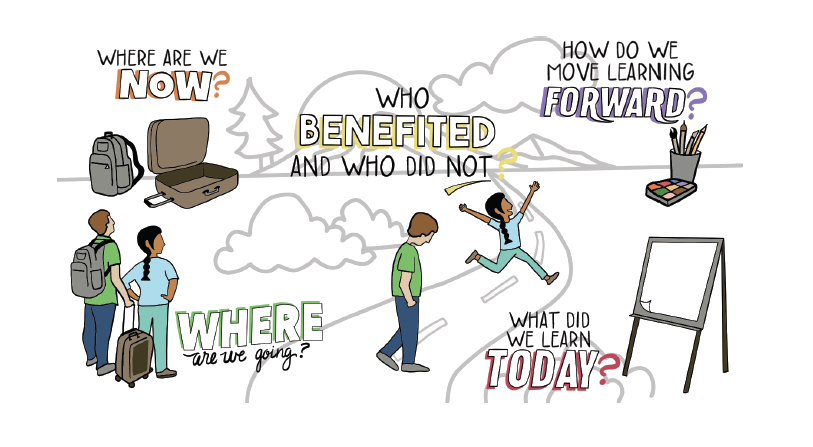
The four crosscutting values—equity & fairness, high expectations, individual and collective efficacy, and activation—and the liberatory design principles help teams disrupt inequitable patterns and redesign learning experiences. These values serve as a foundation for the work that the PLC+ teams do and give rise to 5 guiding questions that lead teams through cycles of inquiry, evidence, and action:
Where Are We Going?
Teams analyze standards, clarify learning intentions, and map the learning journey so students understand the destination and success criteria.
Where Are We Now?
Educators examine student strengths and assets to determine starting points. Evidence—not assumptions—drives instructional decisions.
How Do We Move Learning Forward?
Teams focus on instruction. They share strategies, observe one another, and refine practice based on what students need next.
What Did We Learn Today?
Teachers use formative evidence to understand student progress and reflect on the impact of their instructional moves.
Who Benefited And Who Did Not?
Teams examine differential impact, identify barriers, and design supplemental or intensive supports grounded in equity and fairness.
The PLC+ Difference

Doug explains how the PLC+ framework extends the learning that teams need to do. It focuses on impact on learning and linking that impact to teacher actions.
PLC+ is a way of working, grounded in shared responsibility, trust, and continuous improvement. Effective PLCs “don’t just sit in the room; they engage in meaningful work.”
PLC+ teams:
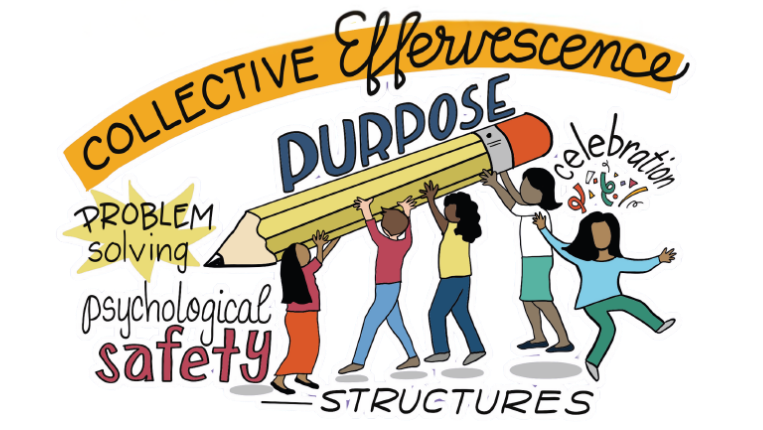
operate with collective efficacy, one of the strongest influences on student learning[3]
use protocols to structure dialogue and decision‑making
examine student work and instructional practice together
make evidence‑based adjustments in real time
maintain momentum through activation, the leadership skill that moves teams from talk to action
The PLC+ Activator Role
Marnitta George discusses how the role of the activator is to ensure the PLC movements are meaningful.
Every PLC+ team needs an activator—a leader who helps the group stay focused on the learning and development of the adults involved and the students they teach.
Activators:
validate and challenge thinking
prevent meetings from drifting into venting or avoidance
guide teams toward decisions and next steps
monitor and adjust the PLC+ journey
ensure the work benefits all students
Activation is not just facilitation, it is leadership. And it is learnable.
Enabling Conditions for Effective PLC+ Teams

There are six essential characteristics that distinguish authentic collaboration in PLC+:
Shared beliefs and values
Shared and supportive leadership
Collective learning and application
Shared personal practice
Supportive conditions
Continuous improvement
These dimensions provide a framework for building cultures that strengthen teaching and improve student learning across all educational contexts.
PLC+ in Action
PLC+ teams engage in cycles of inquiry that connect standards, instruction, assessment, and equity. Examples include:
analyzing student work to calibrate expectations
conducting peer observations to refine instructional moves
using protocols to examine evidence and make decisions
identifying students who benefited—and those who did not—and designing targeted supports
celebrating early wins to build momentum and collective efficacy
Strengthen Your PLC
Deepening your understanding of PLC+ is an ongoing process, and we’ve gathered a range of resources to support you at every step. Explore the tools below to build shared expertise and bring a deeper sense of community to your PLC.

Research-based guidance and instructional frameworks in our professional books
Support for schools and teams through our professional learning workshops
References
1.Vescio, V. i., Ross, D., & Adams, A. (2008). A review of research on the impact of professional learning communities on teaching practice and student learning. Teaching and Teacher Education, 24, 80–91.
2.Anaissie, T., Cary, V., Clifford, D., Malarkey, T., & Wise, S. (2021). Liberatory Design: Mindsets and modes to design for equity. http://www.liberatorydesign.com
3.Goddard, R., Hoy, W., & Hoy, A. (2000). Collective teacher efficacy: Its meaning, measure, and impact on student achievement. American Educational Research Journal, 37, 479-507.